Why Philosophy and Fiction Belong Together
Philosophy and storytelling have always shared the same root. Long before lecture halls and
academic papers, the deepest questions human beings carried were worked out through narrative.
Through the telling and retelling of stories that encoded hard truths in character and consequence
rather than argument and theorem.
The Norse mythological tradition is one of the oldest examples of this practice. Its stories were
never purely entertainment. They were philosophical documents dressed in the language of gods
and giants and fate. They asked what it meant to act honourably in a world where honour did not
guarantee survival. They asked whether wisdom was worth its price when the price was an eye
and the wisdom confirmed only what you feared. They asked what you do when the choice
between right and wrong collapses into a choice between two different kinds of wrong.
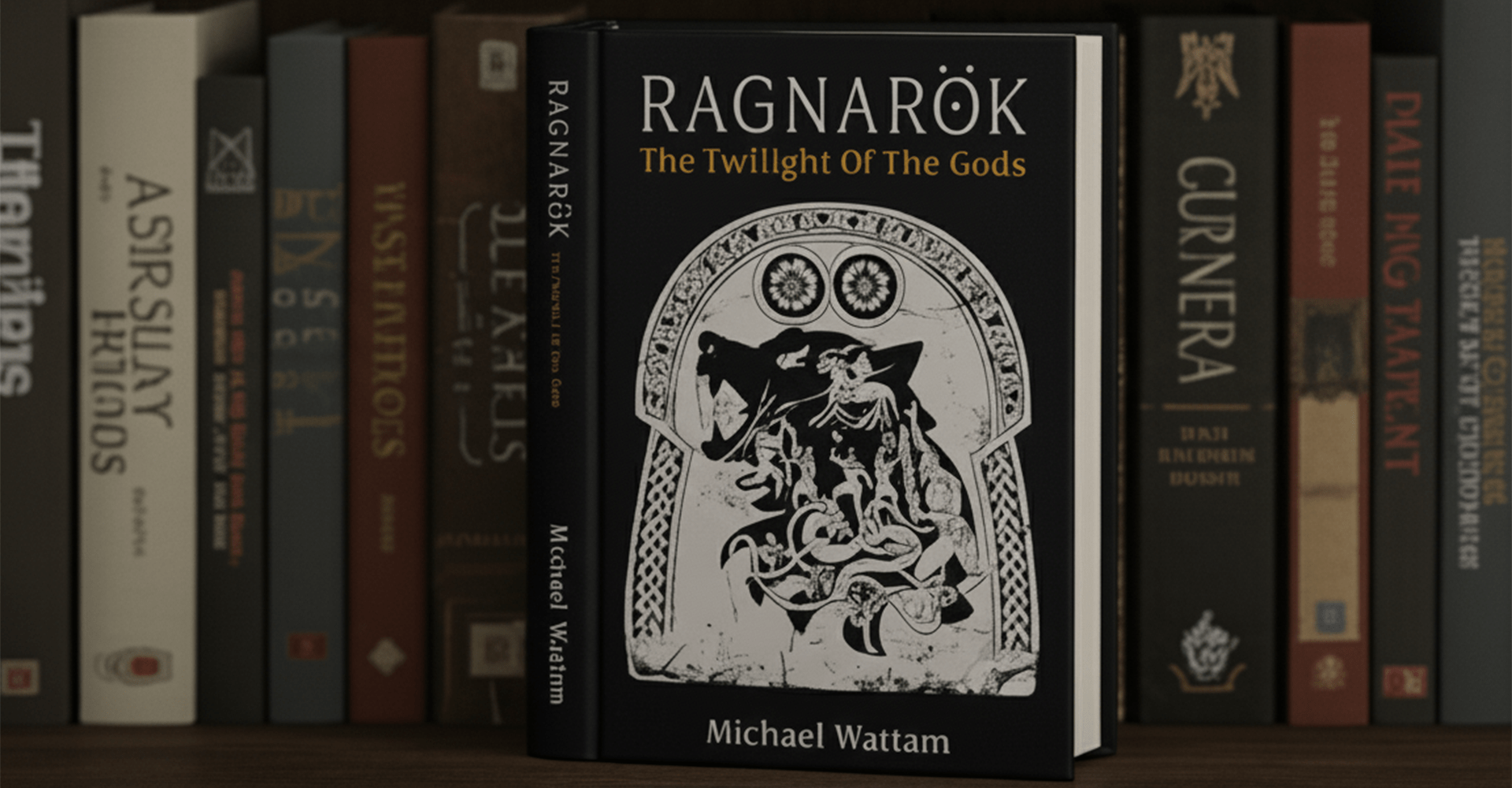
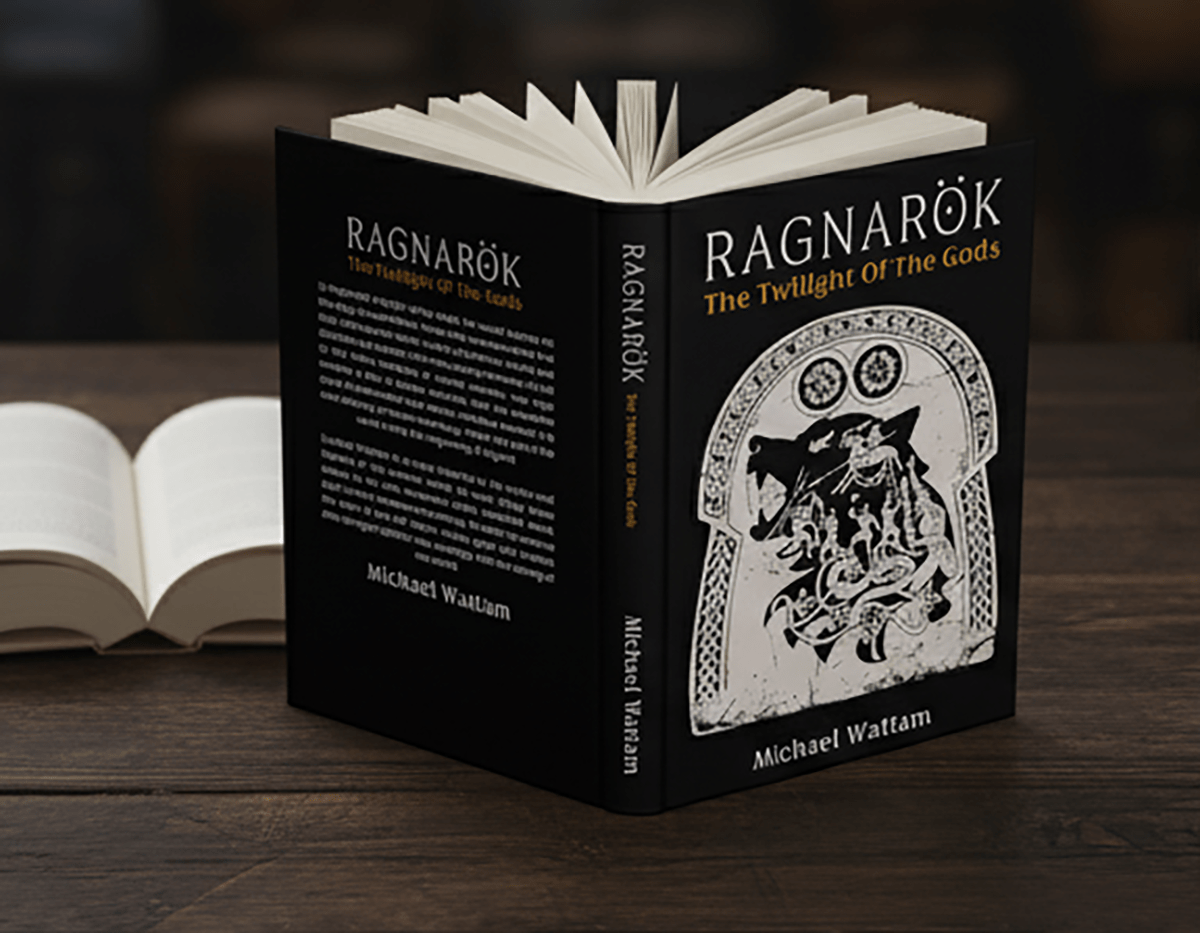
Ragnarök: Twilight of the Gods inherits that tradition and takes it further. Wattam is not
interested in the mythology as backdrop. He is interested in it as a philosophical framework, one
that has survived a thousand years precisely because the questions it carries have never stopped
being relevant.
The story is the argument. The characters are the evidence. And the ending is the only kind of
conclusion philosophy ever honestly reaches, not an answer, but a better understanding of the
question.