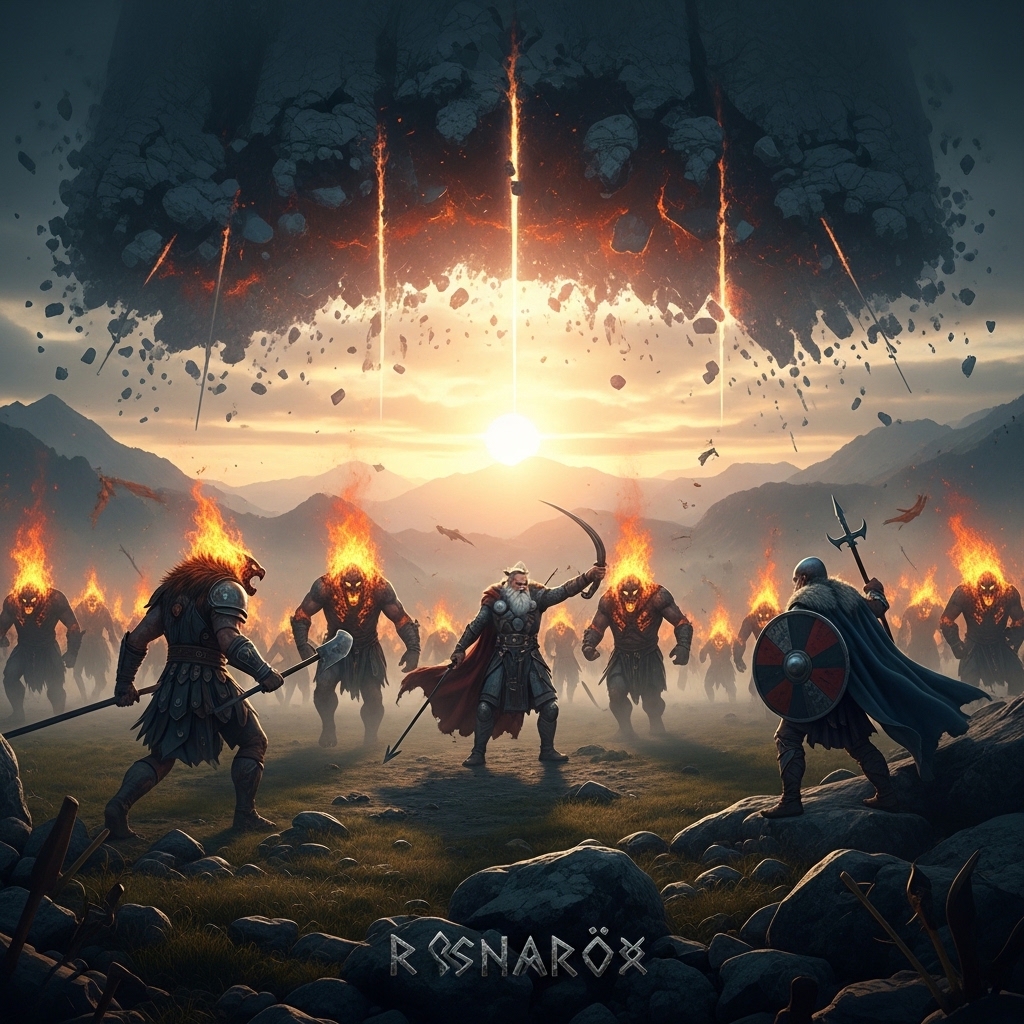
Historical Myth Inspired Storytelling Novel That Reaches Back to Where It All Began

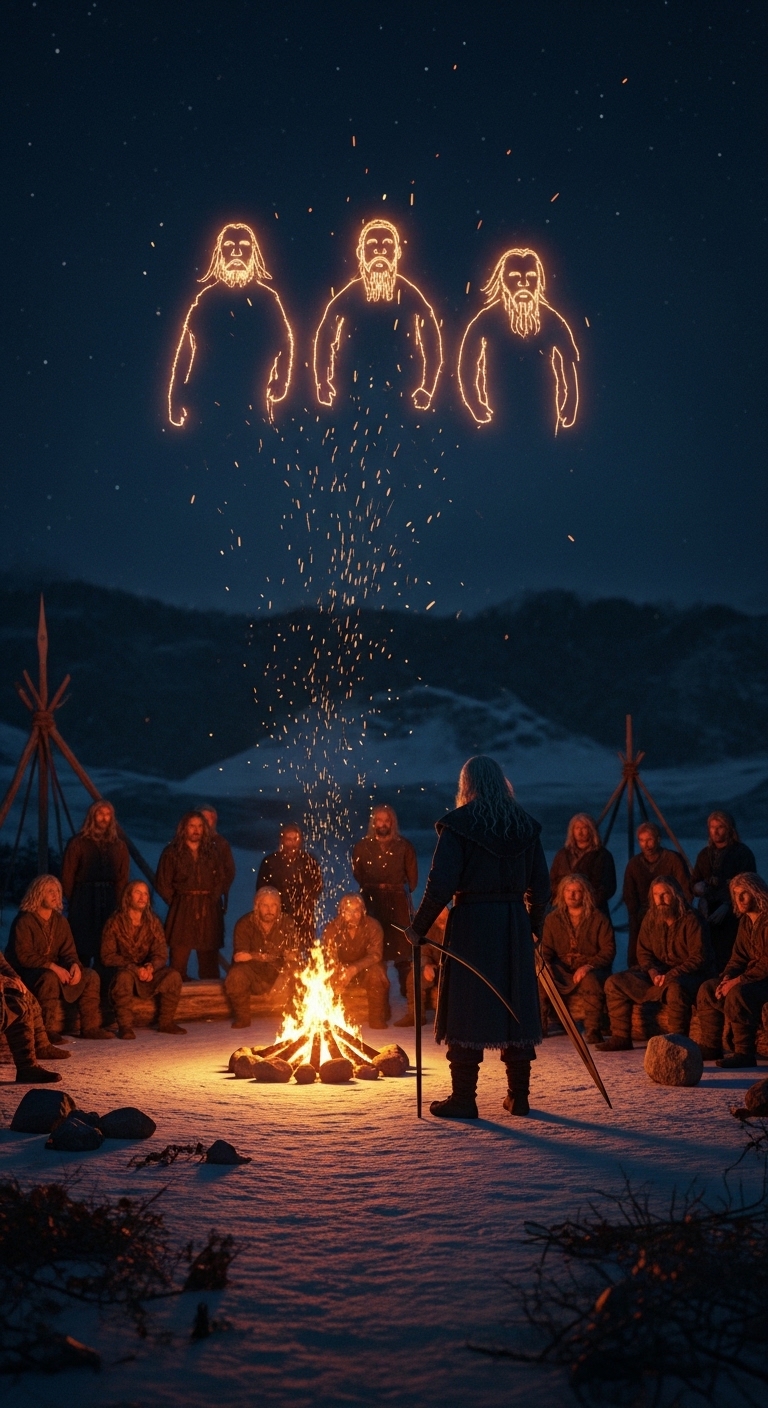
Before the novel existed, there was the myth. Before the myth was written down, there was the voice. Someone standing beside a fire, in the dark, in the cold, telling a story that the people around them needed to hear.
That is where Ragnarök: Twilight of the Gods comes from. Not from a writing desk and a research bibliography, though the scholarship behind it runs deep. It comes from that older place. The place where story and belief are the same thing. Where the gods are not fictional characters but genuine attempts to understand why the world is the way it is and what a person is supposed to do inside it.
M J Wattam has written a historical myth inspired storytelling novel that does not treat its source material as raw ingredients. It treats it as living memory. As something that survived a thousand years of retelling because it was always telling the truth.
This is that truth. Brought forward. Still breathing.
Book Logo 1 Book Logo 2 Book Logo 3 Book Logo 4 Book Logo 1 Book Logo 2 Book Logo 3 Book Logo 4

The History Behind the Myth

Norse mythology did not emerge from nowhere. It grew from the lived experience of people who inhabited one of the harshest environments on earth, who understood that winter could kill you and summer could not be taken for granted, who built a cosmology that reflected the reality they actually lived in rather than the one they wished for.
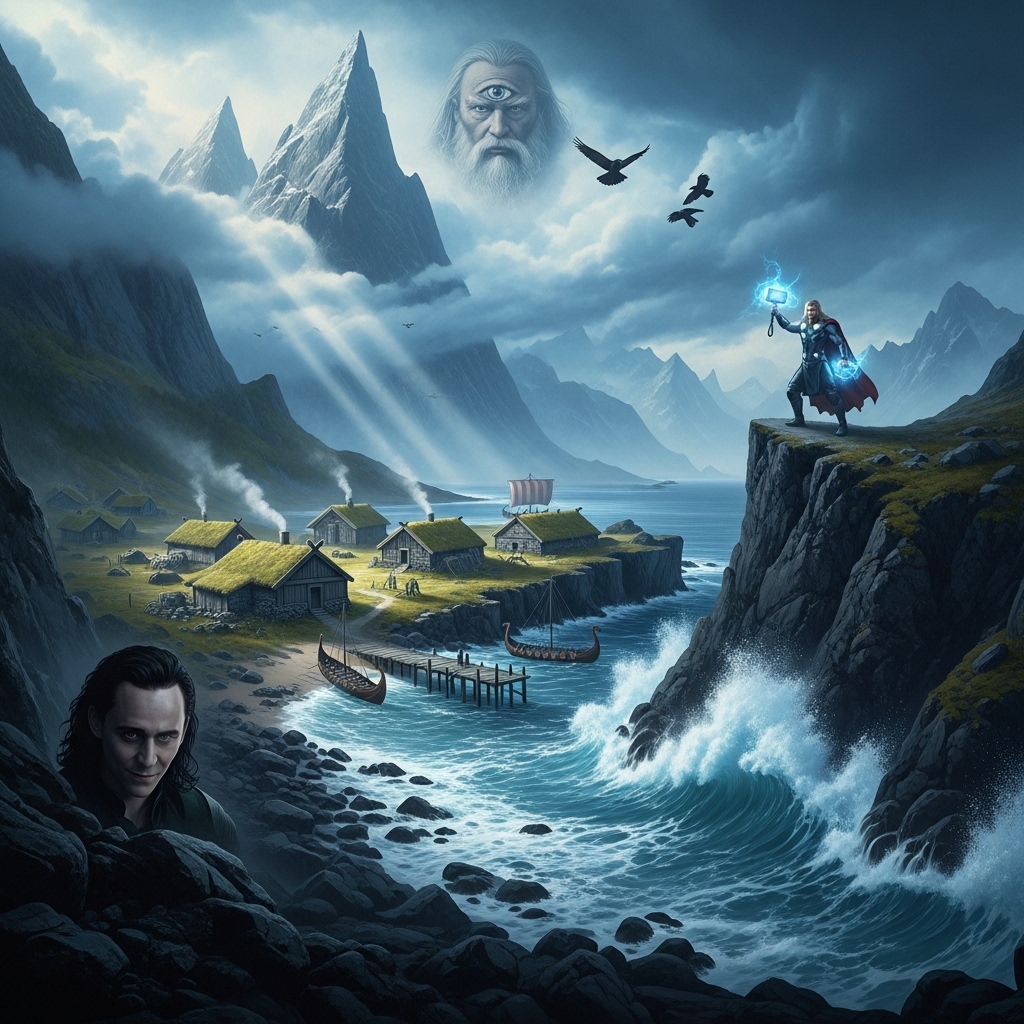
Their gods were not distant and perfect. They were present and flawed, shaped by the same forces that shaped the people who worshipped them. Odin sought wisdom compulsively because wisdom was survival. Thor protected the boundaries of the human world because those boundaries genuinely needed protecting. Loki moved through the cracks in the order because every society has cracks, and someone always moves through them.
The myths that carried these figures forward were recorded primarily in the Eddas, the Prose Edda of Snorri Sturluson and the older Poetic Edda, composed in Iceland in the thirteenth century from material far older still. Skaldic poetry carried fragments. Runestones carried images. Oral tradition carried everything else.
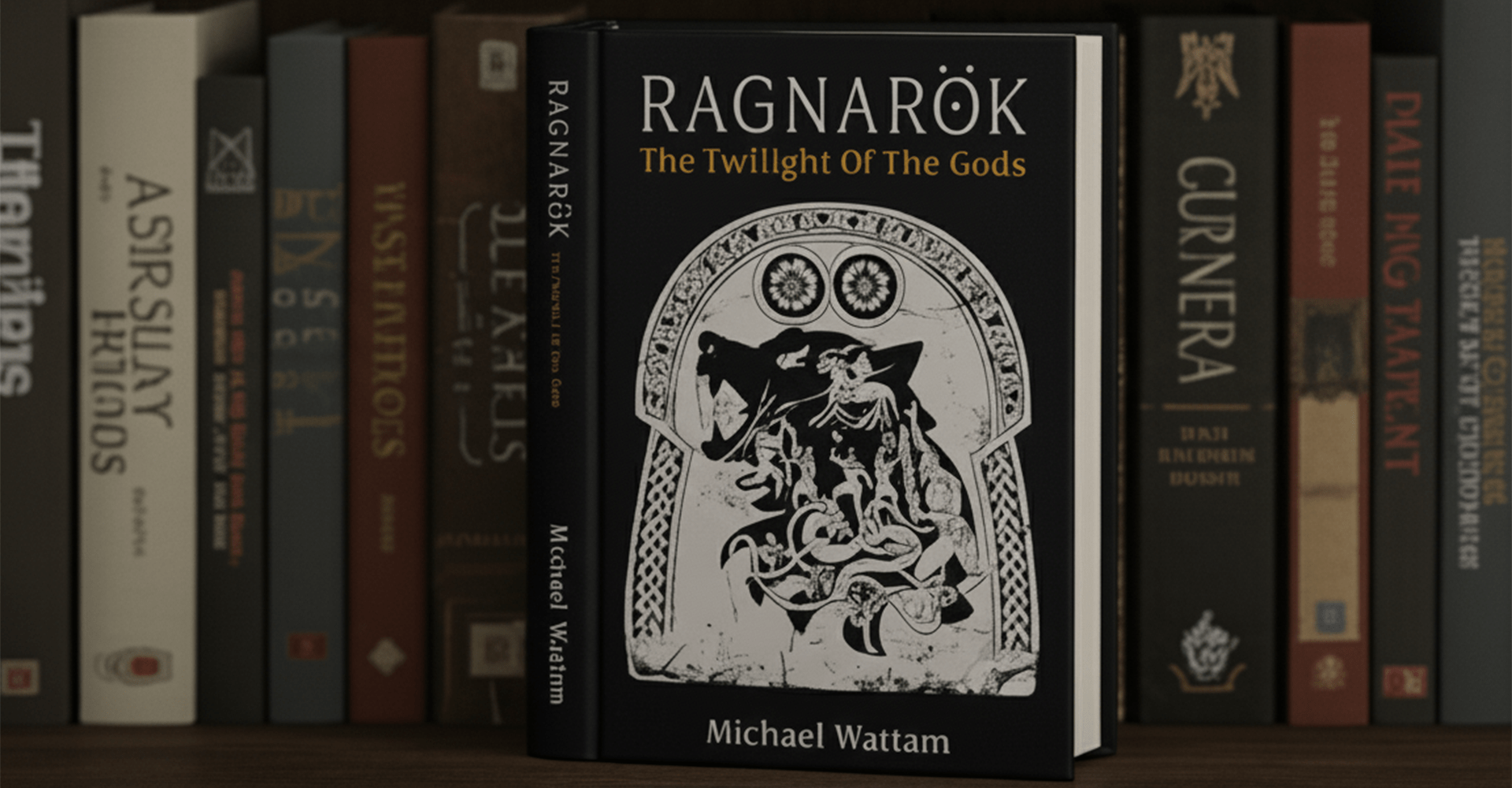
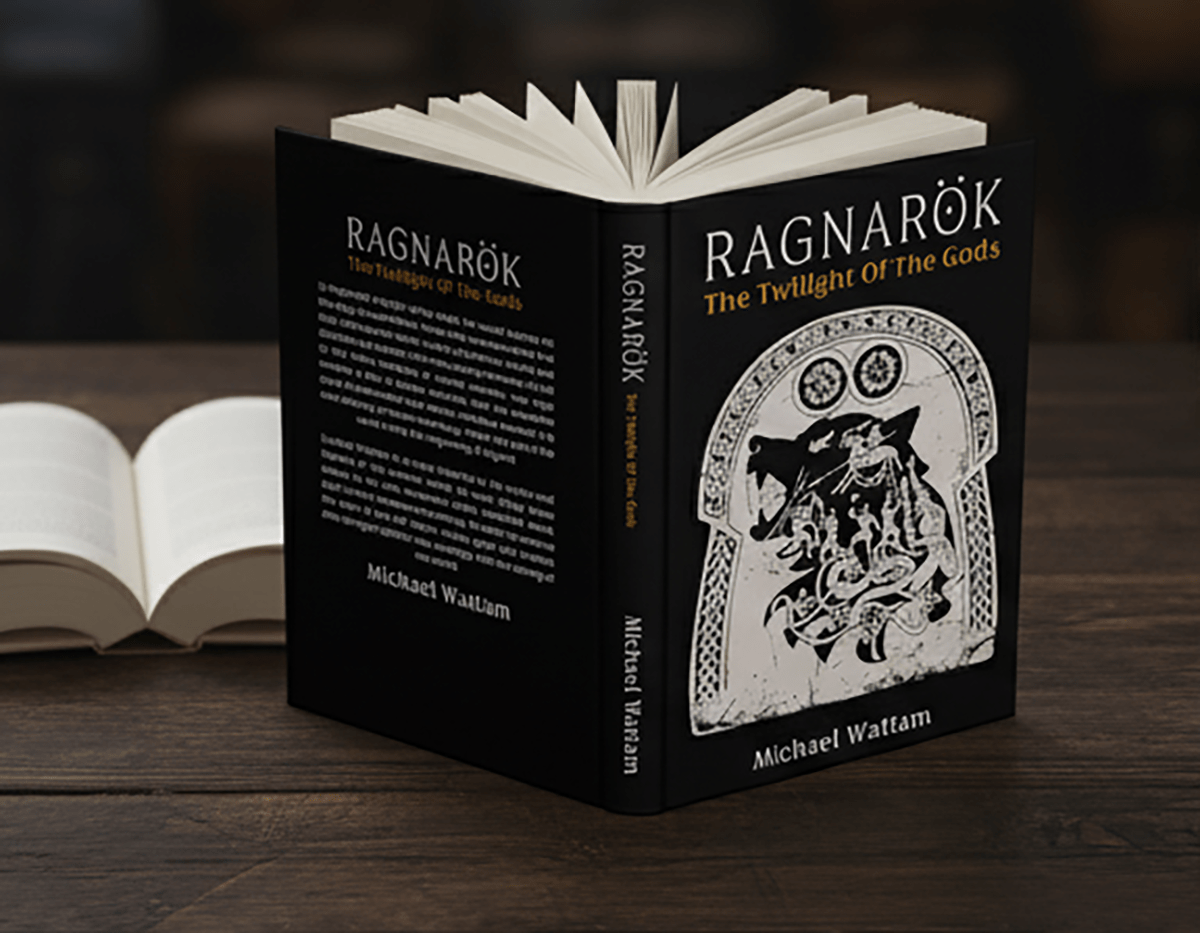
Mike wattam Book Cover

What Classic Myth Retelling Fiction Actually Requires

The word retelling carries expectations that this book deliberately exceeds.
A retelling, in its simplest form, takes an existing story and reproduces it in new language. It assumes the value is in the material and the writer’s job is faithful transmission. At its best, retelling is a noble act of preservation. At its worst, it is copying with a thesaurus.
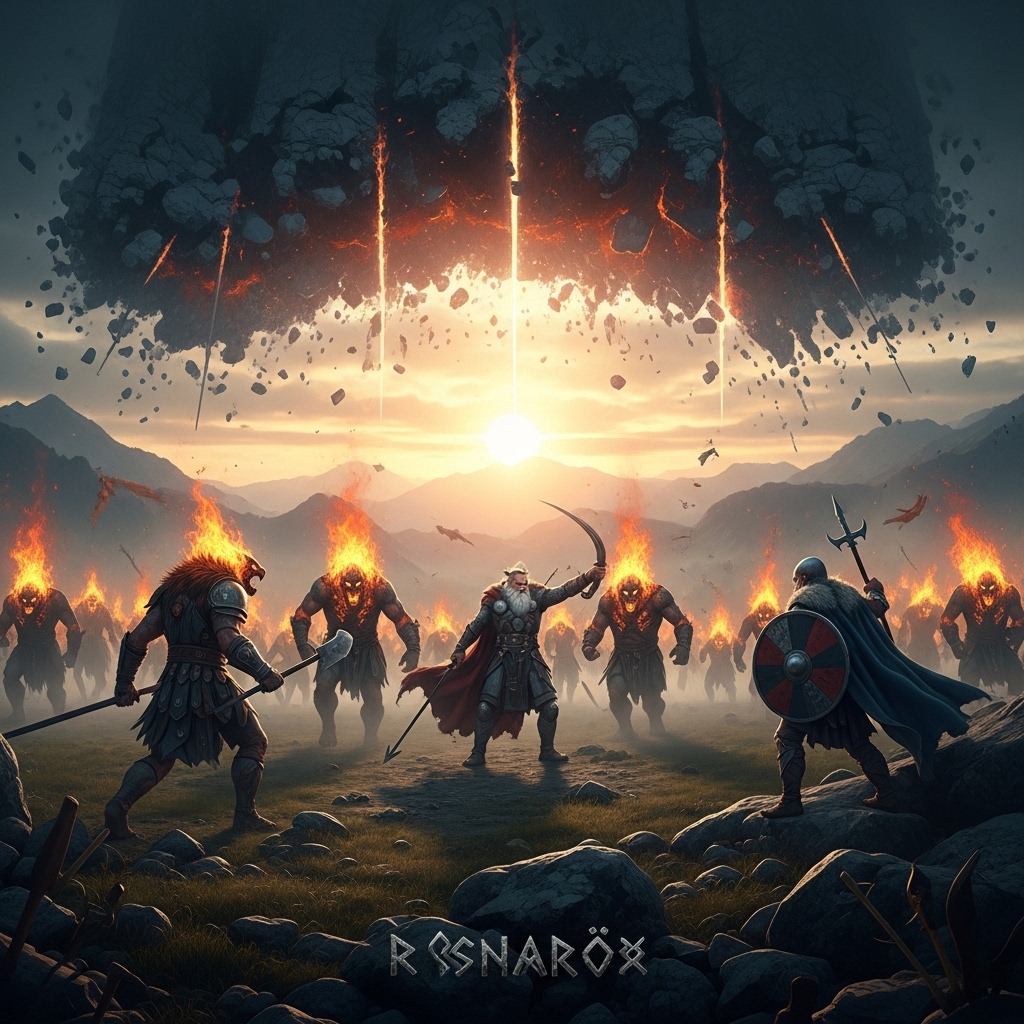
Ragnarök: Twilight of the Gods is a classic myth retelling fiction book in the sense that it is grounded completely in the original mythological canon. Every major event is present. Every key figure appears. The binding of Fenrir, the punishment of Loki, Fimbulwinter, the sounding of Gjallarhorn, the battle of Vígríðr, the deaths of the gods, the rebirth of the world. All of it faithful to the sources.
That is what classic myth retelling fiction requires when it is done at the highest level. Not just the events. The experience of living through them. The difference between knowing what Tyr did and understanding what it meant to be Tyr in the moment he did it.
What Readers Can Expect

The historical grounding in this book is felt rather than announced. Wattam does not pause the narrative to deliver mythology lectures. The context arrives through character and consequence, naturally, the way it would in any story told by someone who has lived with the material long enough to carry it lightly.
The events follow the mythological record with genuine fidelity. Gleipnir is woven from the six impossible ingredients the Eddas specify. The three winters of Fimbulwinter arrive in sequence. Heimdall sounds Gjallarhorn at the moment prophecy always said he would. Odin is swallowed by Fenrir on the plains of Vígríðr. The new sun rises, her daughter, young and unhurried, exactly as the old texts promised.
What the book adds to this faithfully rendered record is depth of character that the sources only sketch. Tyr’s guilt. Sigyn’s constancy. Freyr’s particular courage in fighting without the sword he gave away for love.
Meet the Author

About the Author:
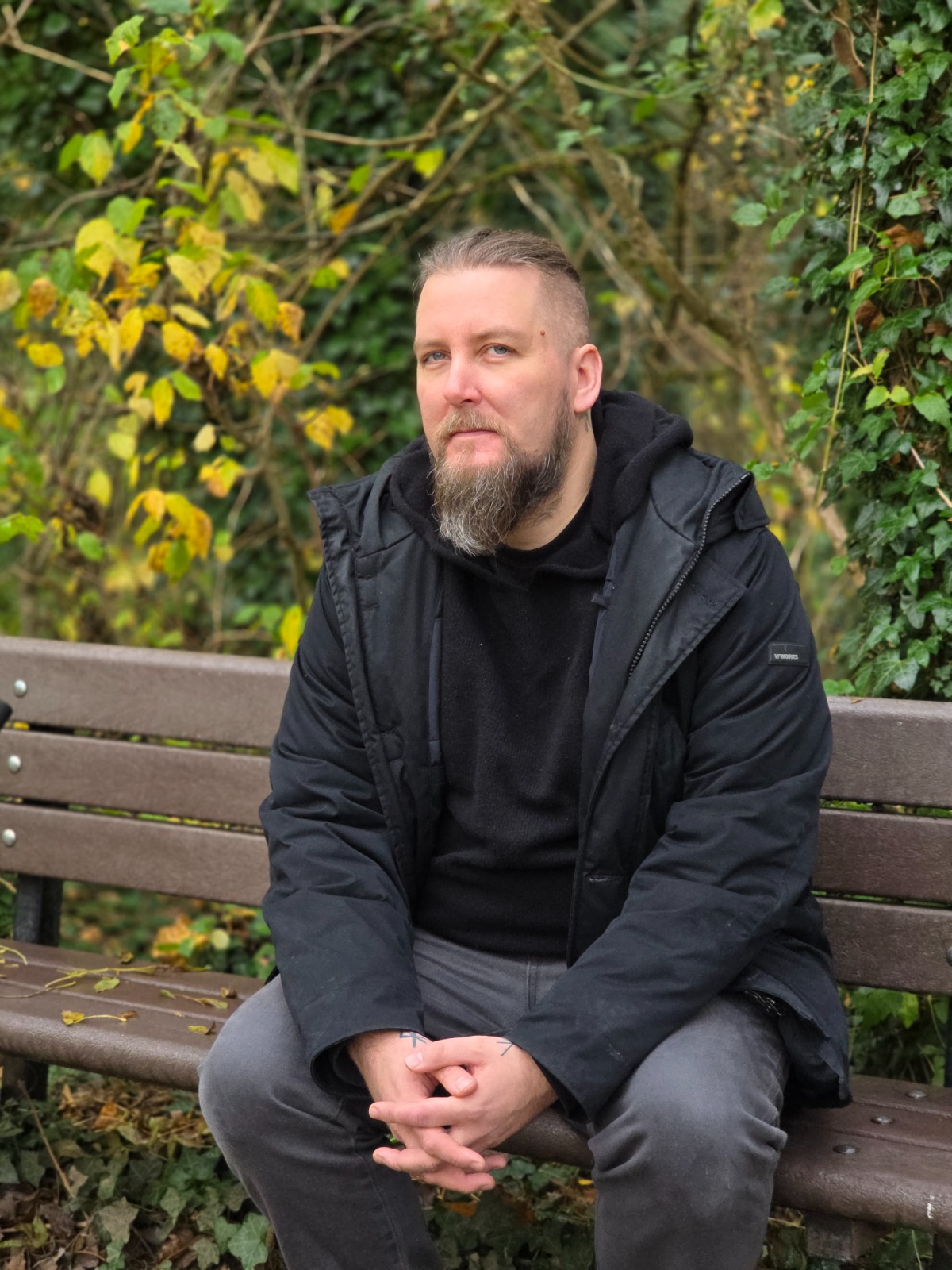
MJ Wattam

M J Wattam is a British writer and mythic storyteller from Hampshire, England. He did not come to Norse mythology as a scholar approaching a subject. He came as someone who felt these stories before he had the language to explain why, drawn to the weight of them, the honesty of them, the refusal to pretend the world was fair.
His writing is cinematic in construction and character-driven in focus. He is less interested in the gods as cosmic forces than in the experience of being those gods. What does it feel like to be Tyr, standing at the edge of a betrayal you cannot avoid? What does it mean to be Sigyn, choosing to stay when leaving would be easier and no one would blame you?
These questions drive every page of Ragnarök: Twilight of the Gods and reflect a writer whose storytelling vision is grounded in a single demanding belief. That fantasy is only as powerful as the human truth at its centre. Wattam finds that truth in the oldest stories available and brings it back whole.
Mike wattam Picture

Buy Now on Amazon

The Myth Is Waiting. So Is the Story Inside It.
The Norse myths have been told for over a thousand years. They have survived because they carry something true. Something that does not age.
Ragnarök: Twilight of the Gods by M J Wattam carries that same truth forward, into a novel that is faithful to everything the tradition built and alive in every way a great story needs to be.
It is available now on Amazon. Order your copy. Sit with it. Let it take you back to where the stories began.

Frequently Asked Questions

1. What is a historical myth-inspired storytelling novel?
A historical myth-inspired storytelling novel is a book that mixes real historical events or settings with myths and legends. It brings ancient stories to life while connecting them to history.
A classic myth retelling reimagines the old stories in a new way. The characters, events, or setting might be changed, but the core message or theme of the myth usually stays the same.
Yes! These novels are written to be enjoyable on their own. You don’t need to know the original myth to understand or appreciate the story.
It depends on the story. Some myths can be quite dark or violent, so it’s best to check the book’s age rating or read reviews before sharing with younger readers.
Authors often write these novels to explore timeless human themes, like love, bravery, or fate, in a way that feels fresh and exciting.