Why Adult Fantasy Fiction Hits Differently
Adult fantasy fiction occupies a specific and necessary space in literature. It is not darker for the sake of darkness or more violent for the sake of intensity. It is adult in the truest sense, meaning it is written for readers who have lived enough to know that the world does not resolve into clean outcomes, that good people make terrible choices, and that the most honest stories are rarely the most comfortable ones.
The Norse mythological tradition understood this long before the genre had a name. Its gods were flawed and afraid. Its heroes died without guarantee of victory. Its cosmos was built toward an ending that could be delayed but never prevented. These were stories for adults because they told
adult truths, about fate and the limits of wisdom, about sacrifice and what it actually costs, about loyalty tested in conditions specifically designed to make loyalty impossible.
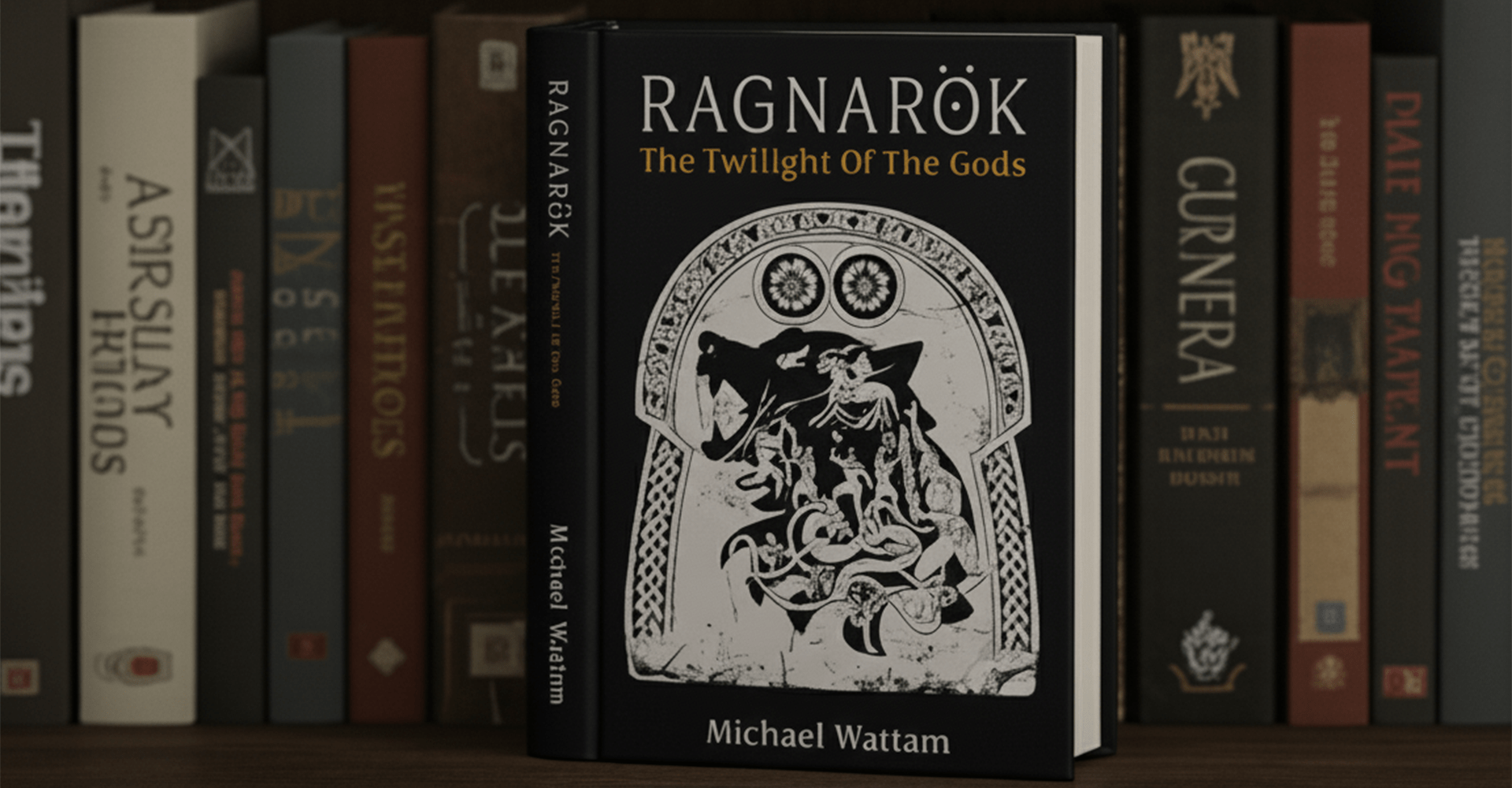
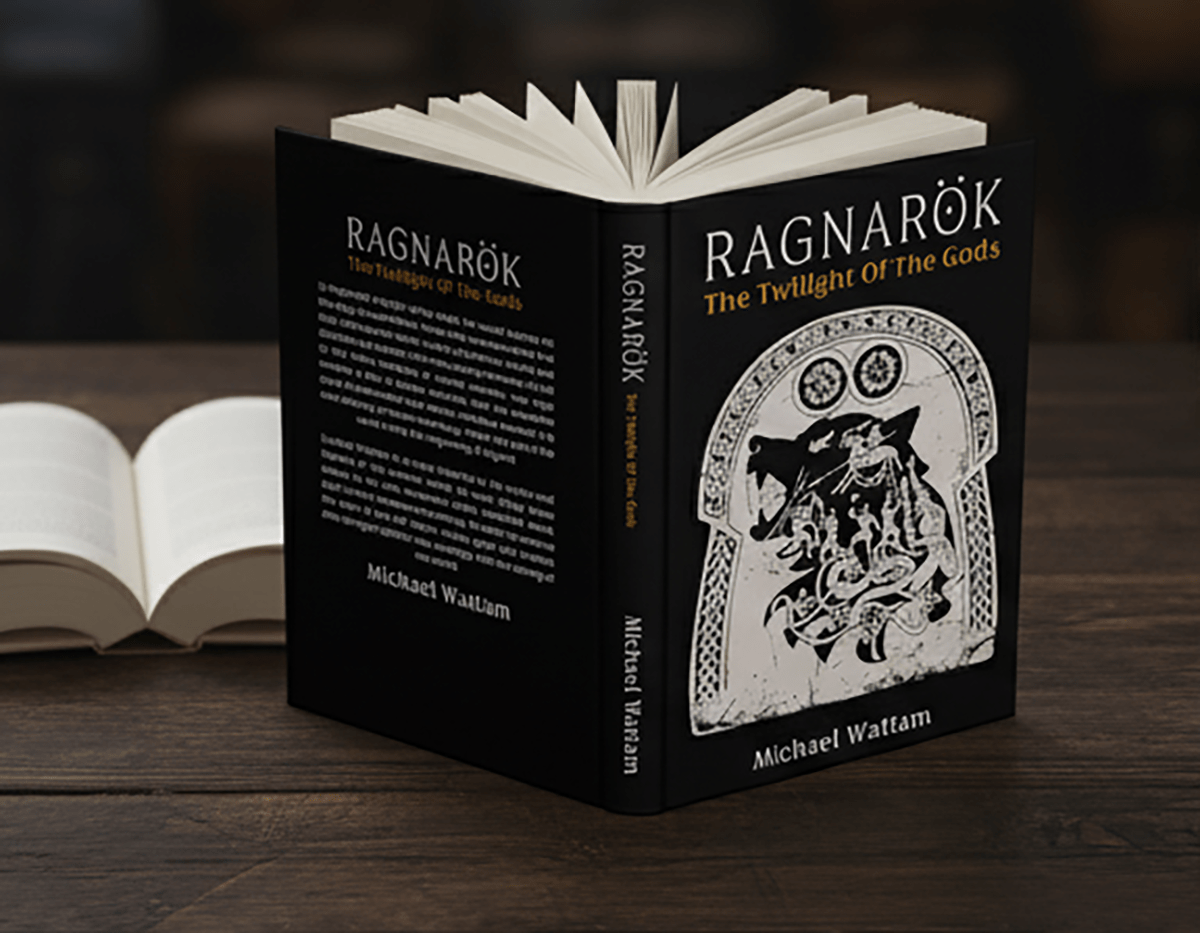
Ragnarök: Twilight of the Gods inherits that tradition completely. It does not soften the myth to make it palatable. It does not add redemption arcs where the source material offers only consequence. It simply tells the truth, the whole of it, and trusts its readers to sit with what that truth requires.