What Readers Can Expect
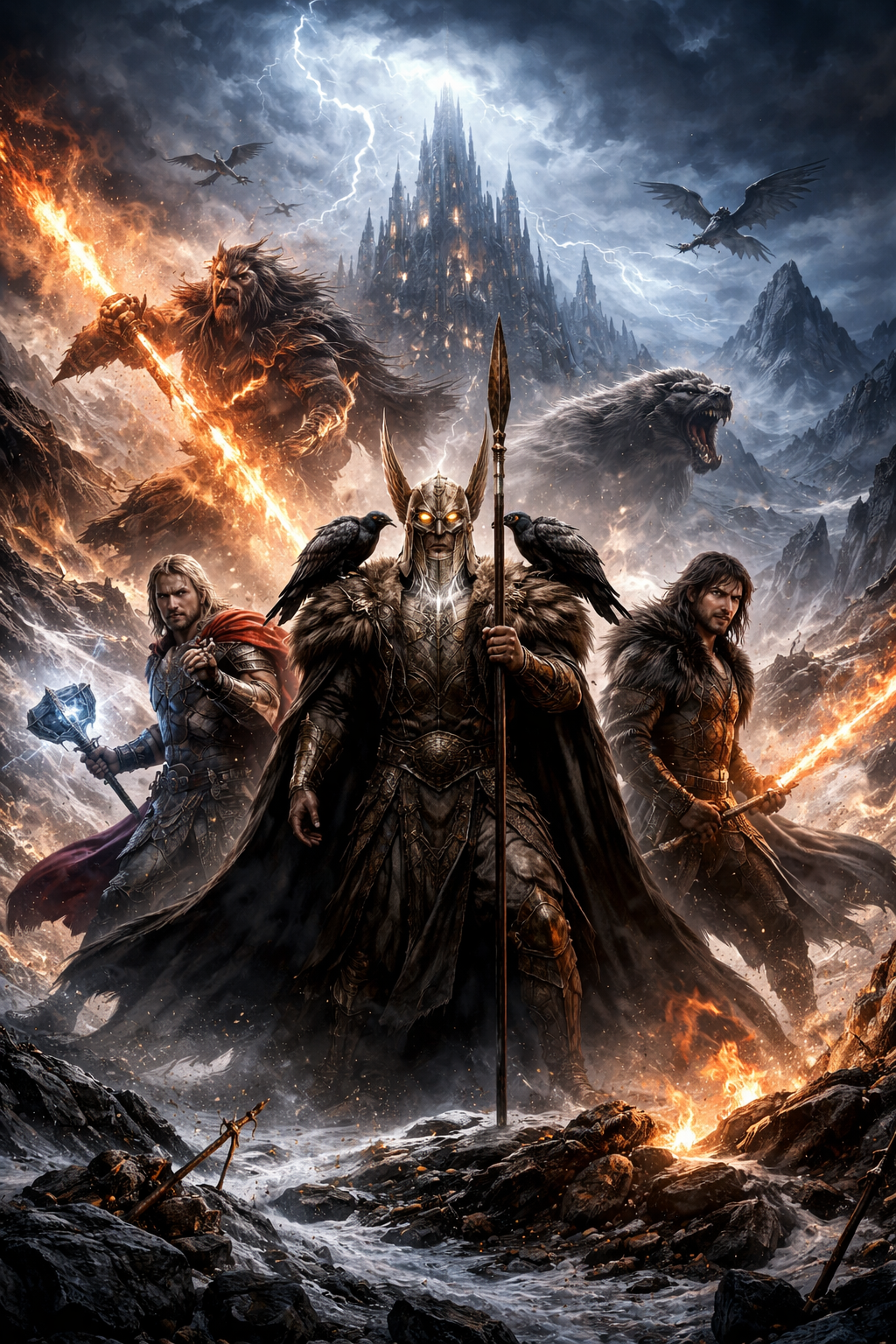
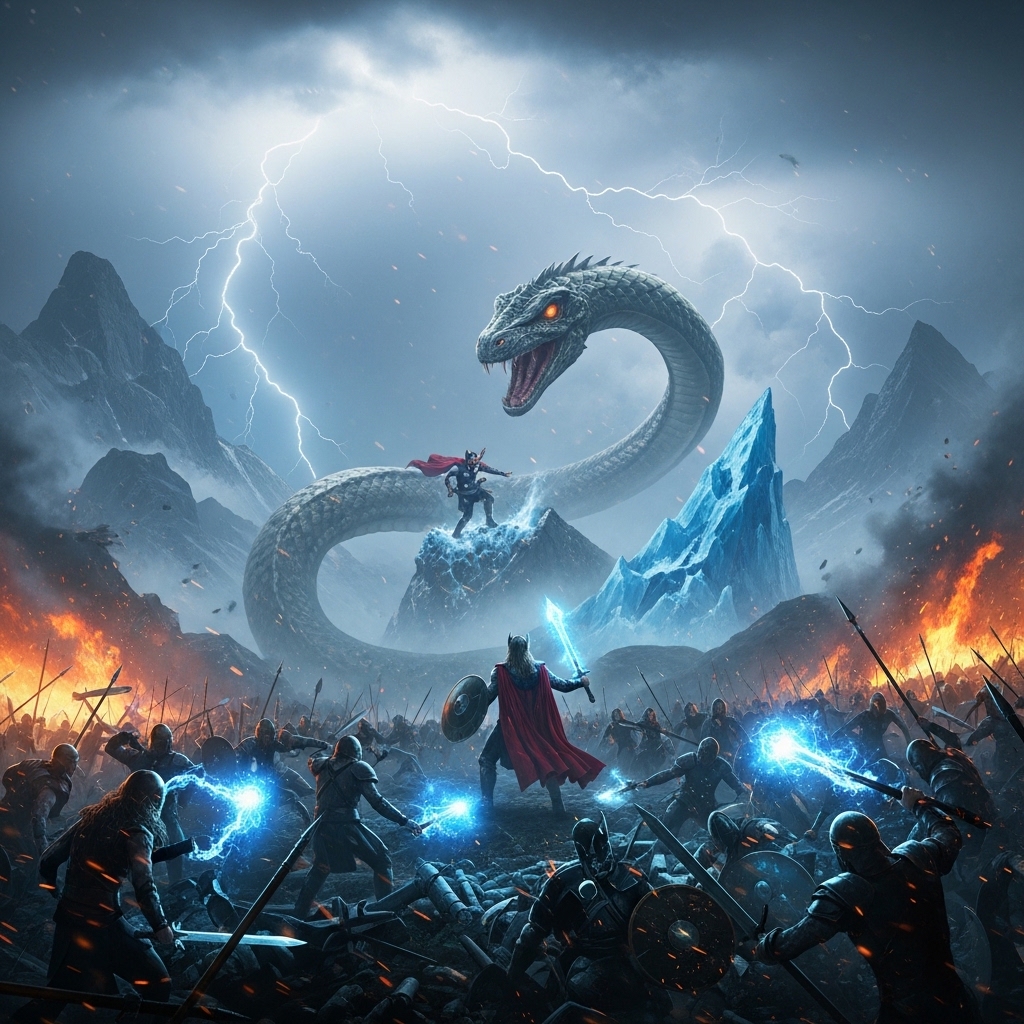
The battles in this book are not choreographed spectacle. Freyr charges Surtr armed with nothing but a stag’s cracked antlers because he gave his sword away for love, and he charges laughing. Thor walks exactly nine steps after killing the Midgard Serpent before the venom takes him. Each confrontation on the plains of Vígríðr carries the full weight of every chapter that preceded it.
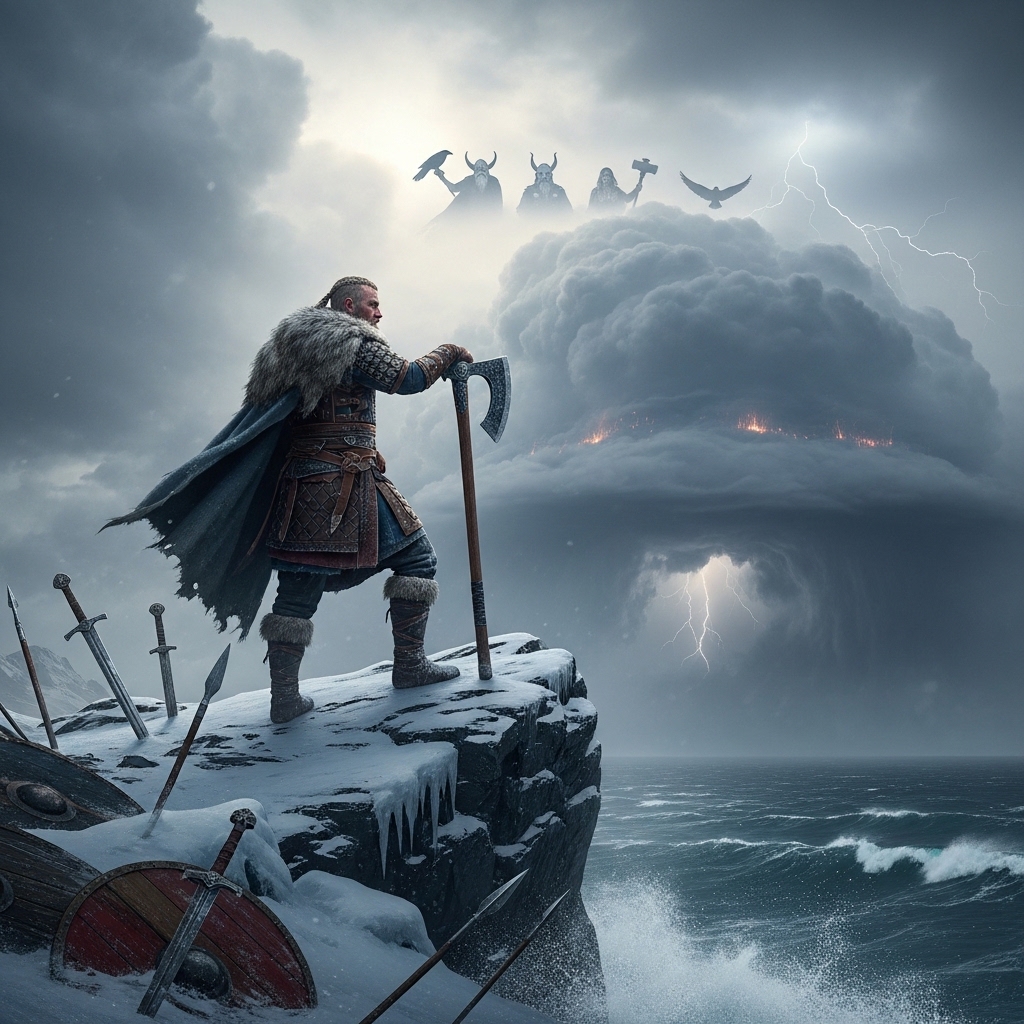
The settings move through all nine worlds with atmospheric precision. Asgard gleams with the brittle beauty of something that knows it is running out of time. Niflheim breathes with a cold that feels personal. Vígríðr does not need to be described, by the time the armies arrive, the reader already knows what it feels like to stand on that ground.
The characters are morally complex in the way real people are morally complex, not evil, not noble, but cornered. Making the best choices available to them and living with what those choices cost. Betrayal runs through the book like a current. So does survival. So does the strange, stubborn persistence of loyalty in conditions specifically designed to make loyalty impossible.
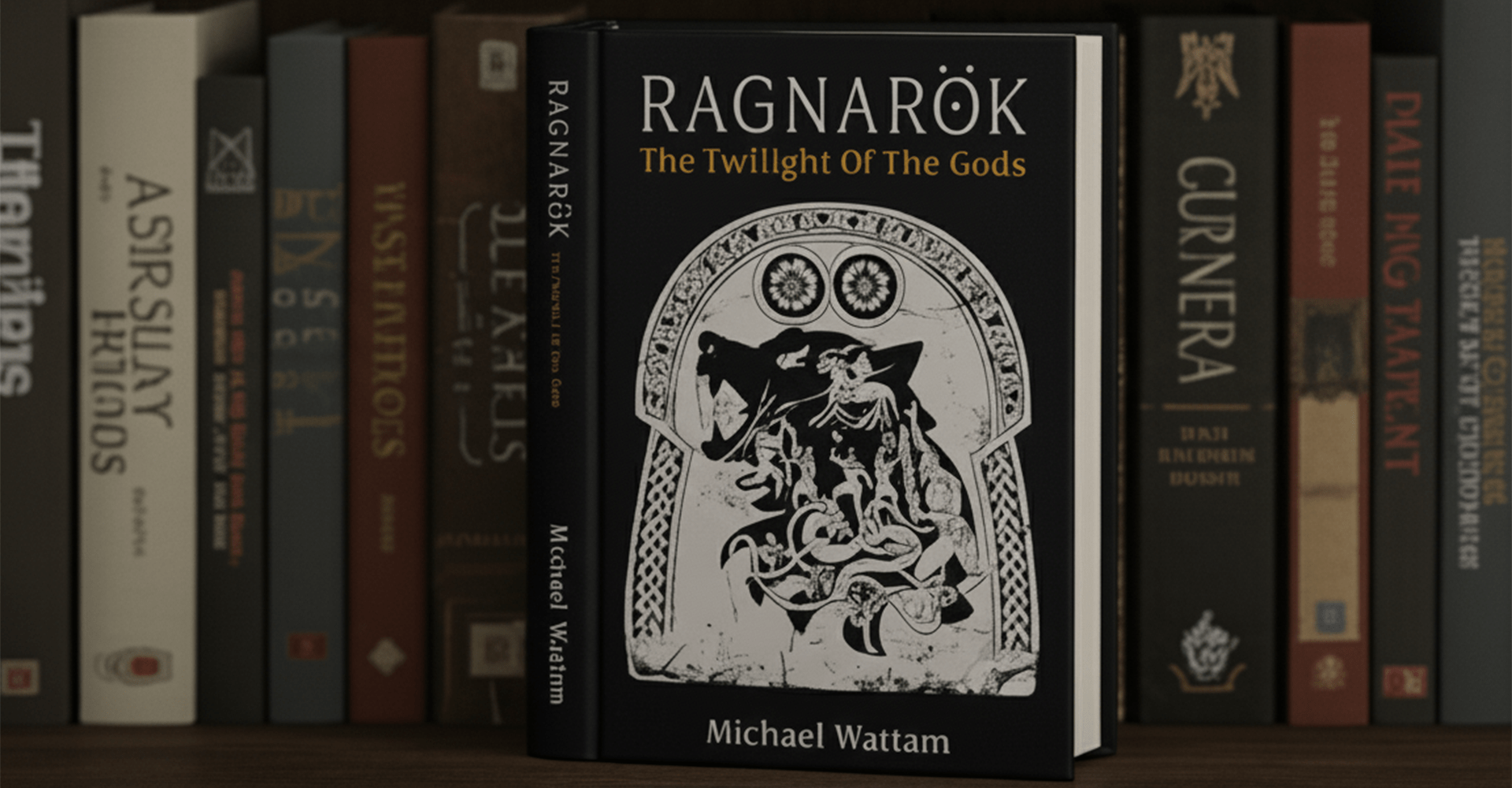
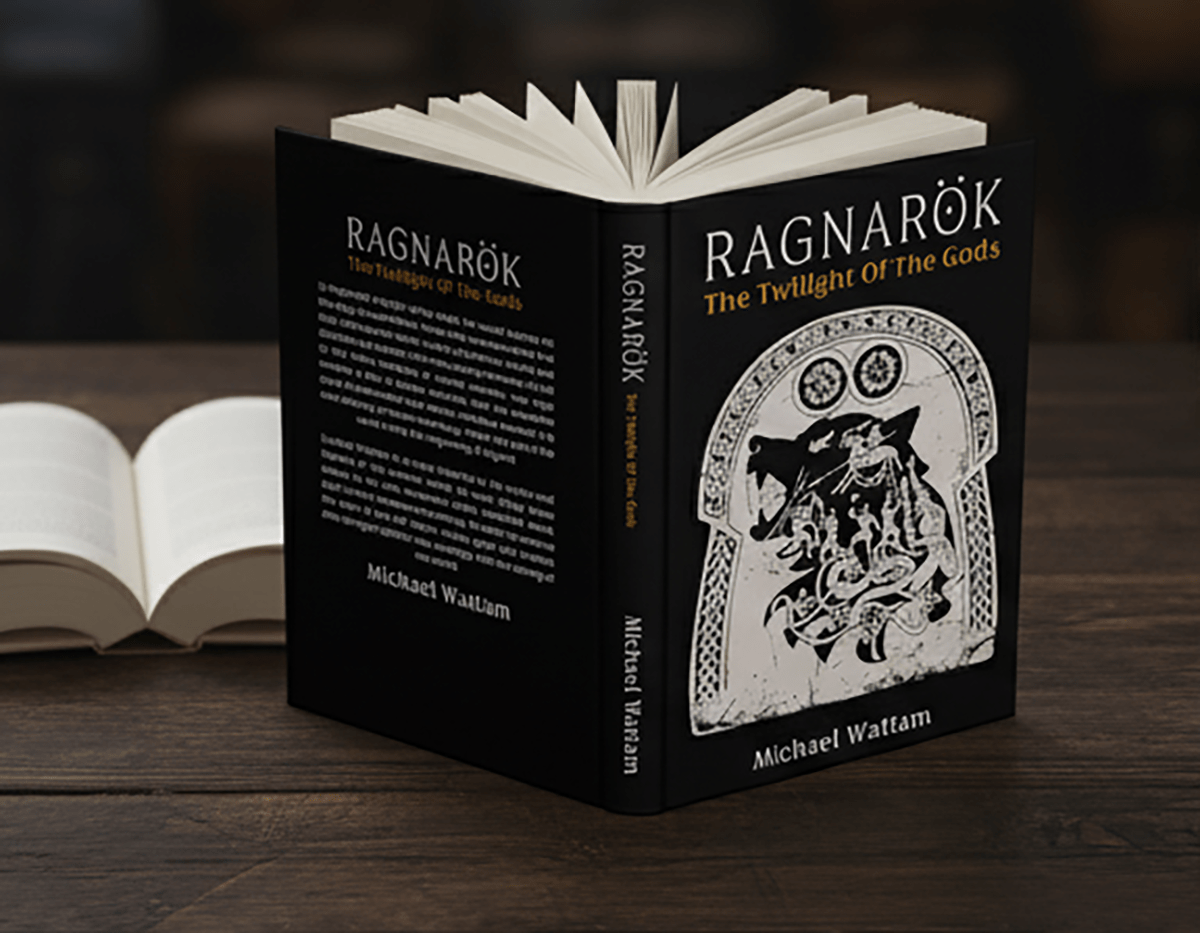
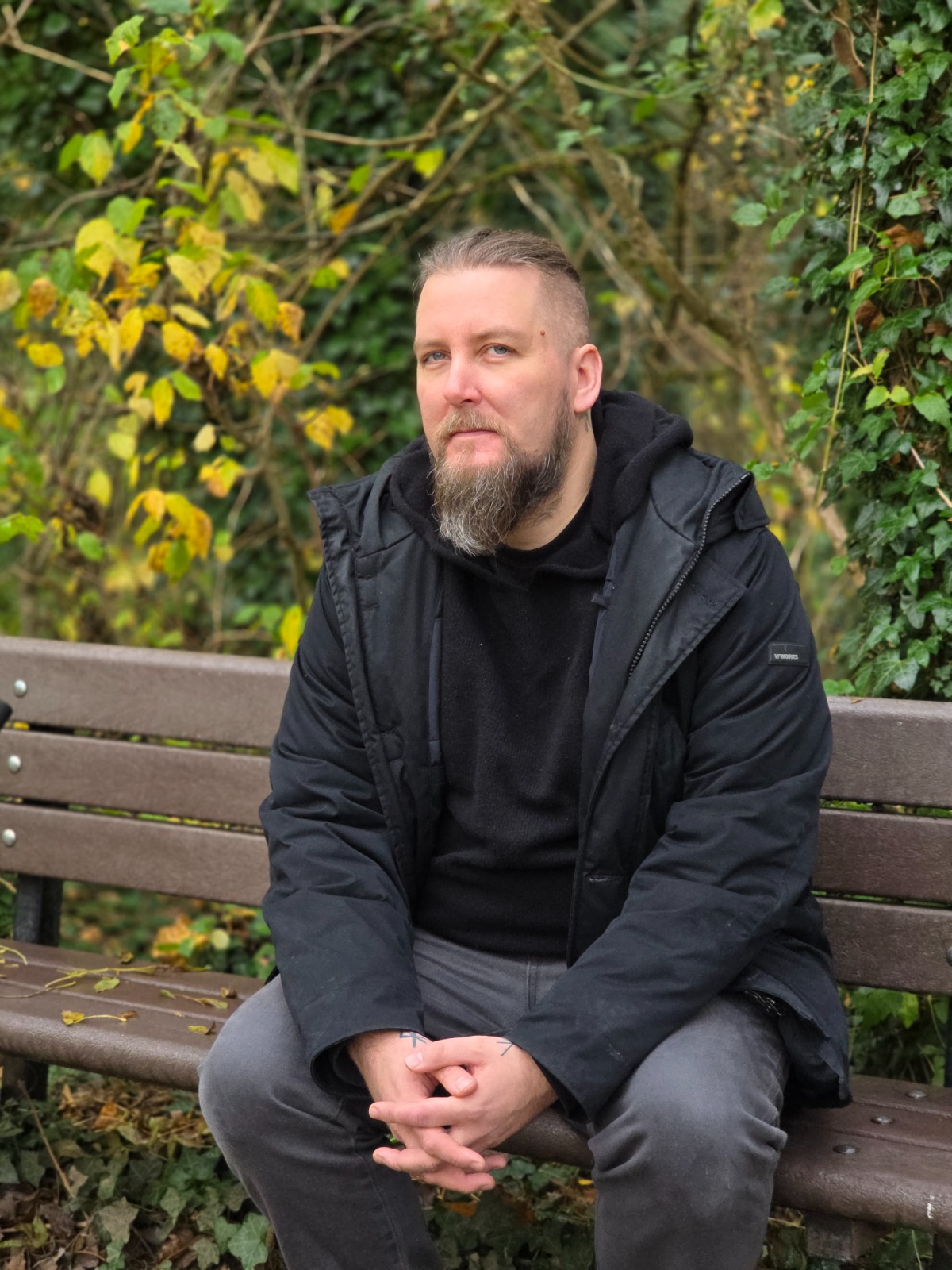
Wattam writes with the instinct of a skald, someone who understands that how a story is told is inseparable from what it means. The immersion here is not achieved through information. It is achieved through emotional precision. Readers consistently report finishing the final chapter and sitting with it, not quite ready to leave, not entirely sure they have.
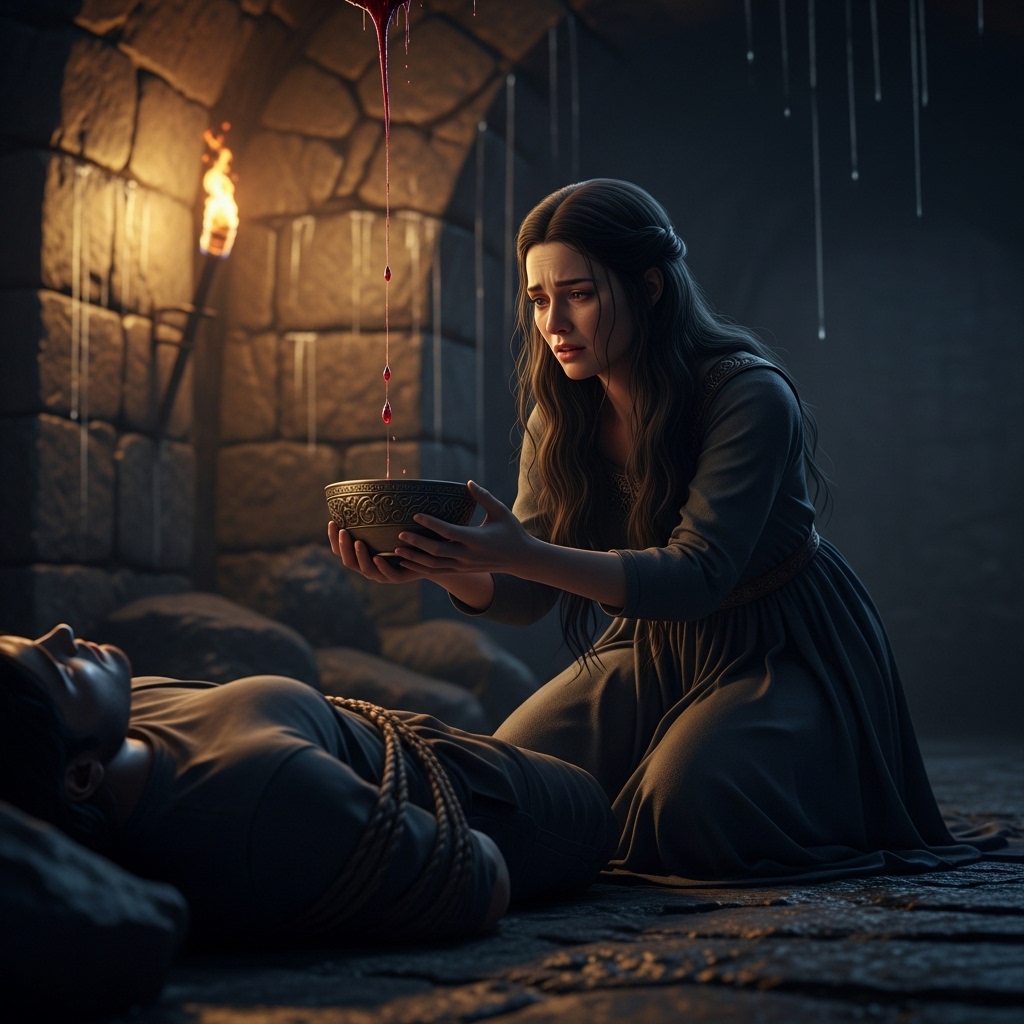
The impact is lasting because the characters are lasting. Tyr’s wound. Sigyn’s vigil. The new sun rising over ash. These stay.