Philosophical Fiction Storytelling Novel That Asks the Questions Myths Were Born to Answer

Some books entertain you. Some books challenge you. Every once in a while, a book does something rarer, it sits beside you, quietly, and asks the questions you have been carrying without knowing it.
What do you owe the world when the world has already decided your fate? What does justice look like when the god of justice has no good options left? What does love mean when it asks nothing in return and receives nothing back?
These are not fantasy questions. They are human ones. And they are at the beating centre of Ragnarök: Twilight of the Gods by M J Wattam, a philosophical fiction storytelling novel that uses the ancient architecture of Norse mythology to explore the kind of moral and existential weight that most fiction spends its entire length avoiding.
This is not a book about gods and monsters. It is a book about choices. About what they cost. And about whether they matter when the ending was always already written.
Book Logo 1 Book Logo 2 Book Logo 3 Book Logo 4 Book Logo 1 Book Logo 2 Book Logo 3 Book Logo 4

Why Philosophy and Fiction Belong Together

Philosophy and storytelling have always shared the same root. Long before lecture halls and academic papers, the deepest questions human beings carried were worked out through narrative. Through the telling and retelling of stories that encoded hard truths in character and consequence rather than argument and theorem.
The Norse mythological tradition is one of the oldest examples of this practice. Its stories were never purely entertainment. They were philosophical documents dressed in the language of gods and giants and fate. They asked what it meant to act honourably in a world where honour did not guarantee survival. They asked whether wisdom was worth its price when the price was an eye and the wisdom confirmed only what you feared. They asked what you do when the choice between right and wrong collapses into a choice between two different kinds of wrong.
Ragnarök: Twilight of the Gods inherits that tradition and takes it further. Wattam is not interested in the mythology as backdrop. He is interested in it as a philosophical framework, one that has survived a thousand years precisely because the questions it carries have never stopped being relevant.
The story is the argument. The characters are the evidence. And the ending is the only kind of conclusion philosophy ever honestly reaches, not an answer, but a better understanding of the question.

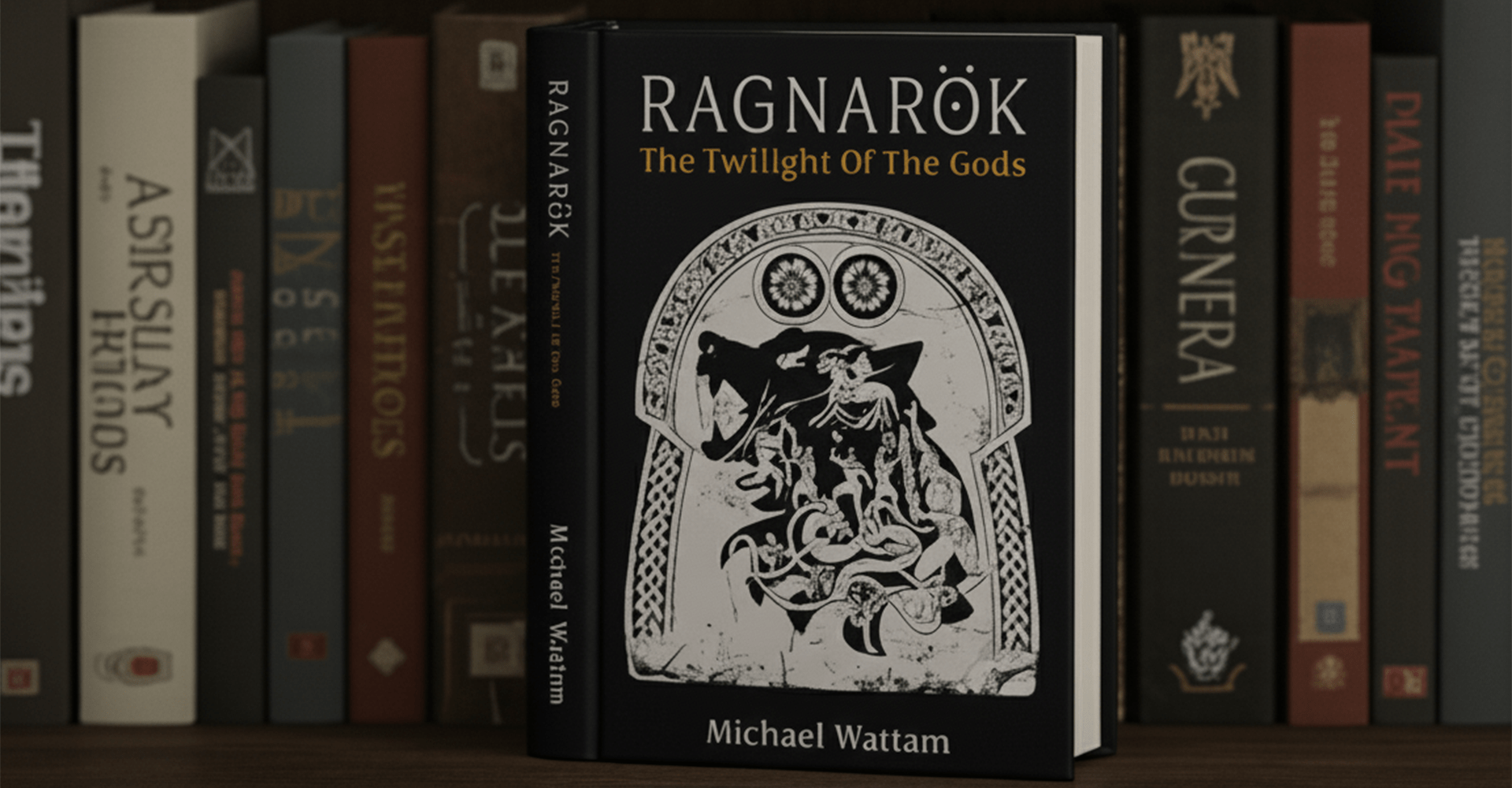
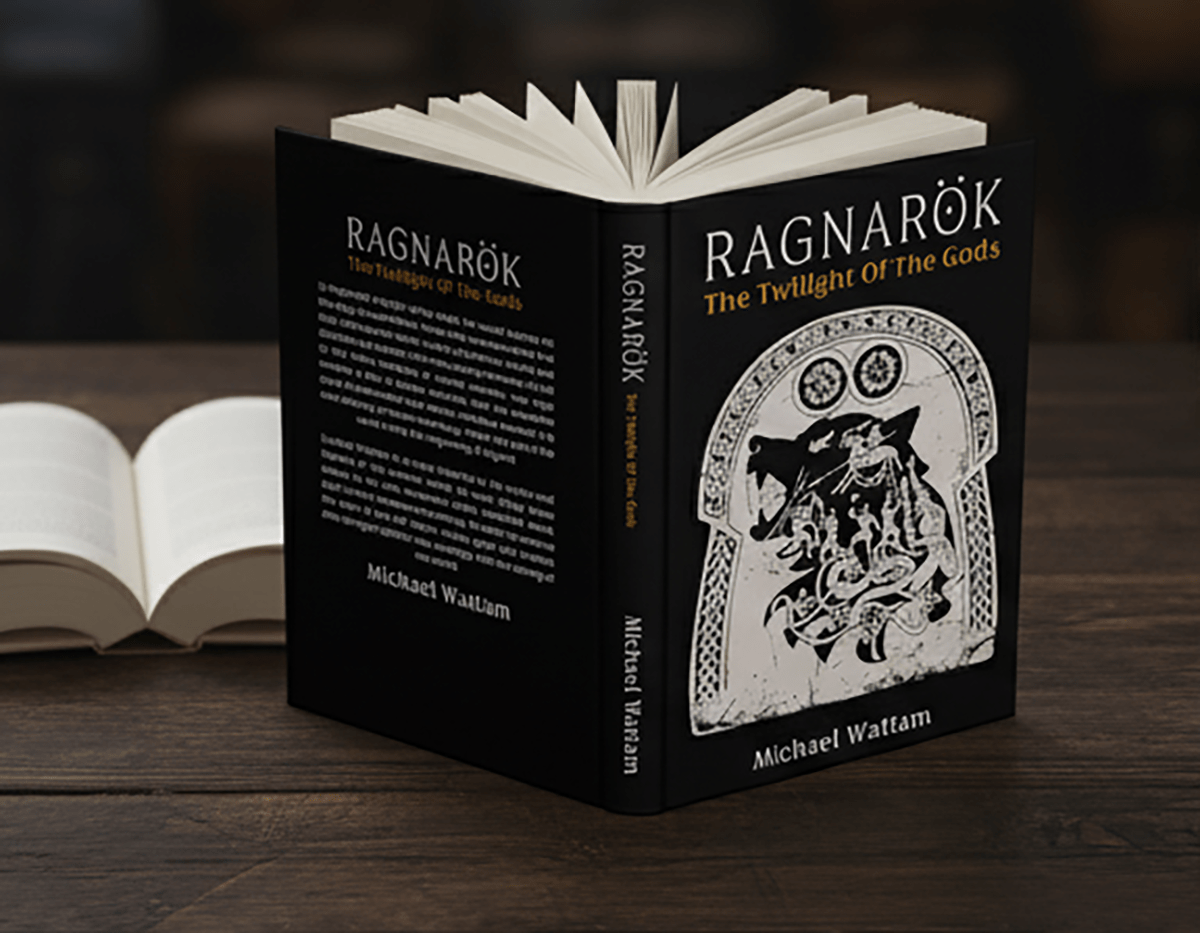
Mike wattam Book Cover

A Philosophical Fiction Storytelling Novel Unlike Any Other

What separates this book from other myth-based fiction is not its subject matter. It is the seriousness with which it treats the questions underneath the subject matter.

What Readers Can Expect

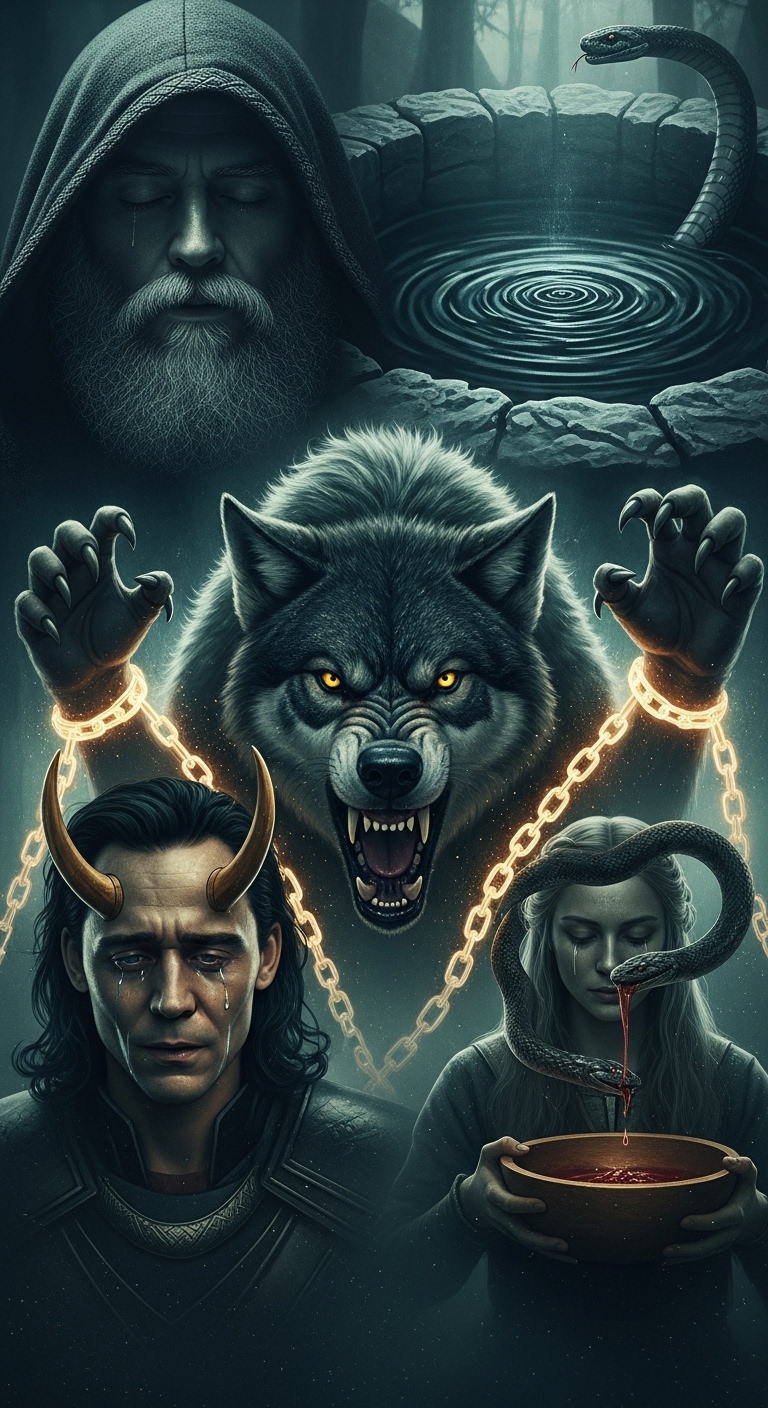
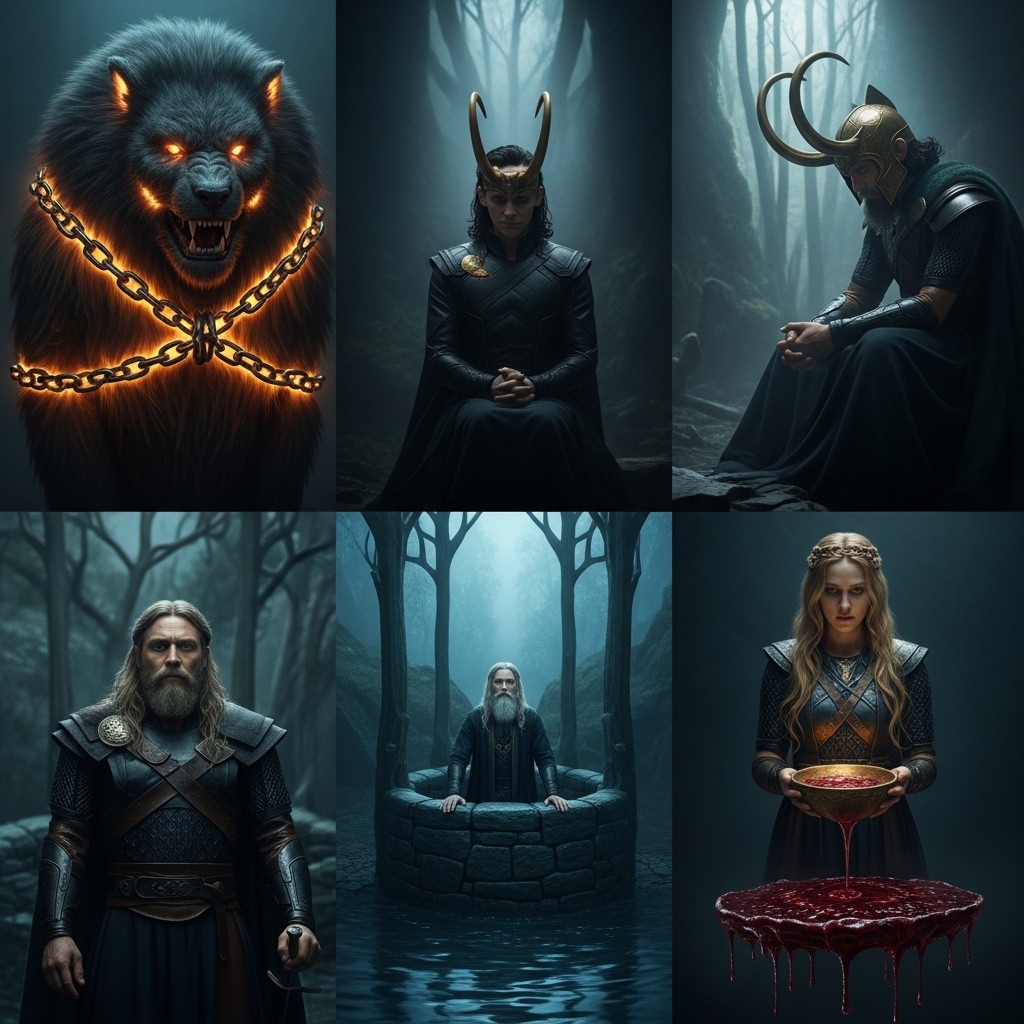
Every major thread in this book carries a philosophical weight that runs alongside the narrative without ever interrupting it. Fenrir raises questions about determinism and whether a being can be held responsible for a nature it was prophesied into rather than chose. Loki asks what happens to a person after consequence has stripped away everything except the grief. Odin sits beside Mímir's well knowing his own death and continues governing anyway, which is either wisdom or its most painful form.
Sigyn asks nothing at all. She simply stays. And in her staying she embodies a position on loyalty and love that no argument could articulate as cleanly as her silence does.
The symbolic fantasy narrative running beneath the plot is equally rich. The binding represents systems of control dressed as necessity. Fimbulwinter represents the long slow erosion that precedes collapse. The new sun at the end represents not optimism but the specific, hard-earned possibility that follows genuine reckoning.
This is not a book that announces its philosophy. It does not pause the story to make a point. The ideas are inside the characters and the consequences, working quietly. Readers find themselves sitting with questions they did not arrive with, turning the last page and realising the book has been a conversation all along.
Meet the Author

About the Author:
MJ Wattam

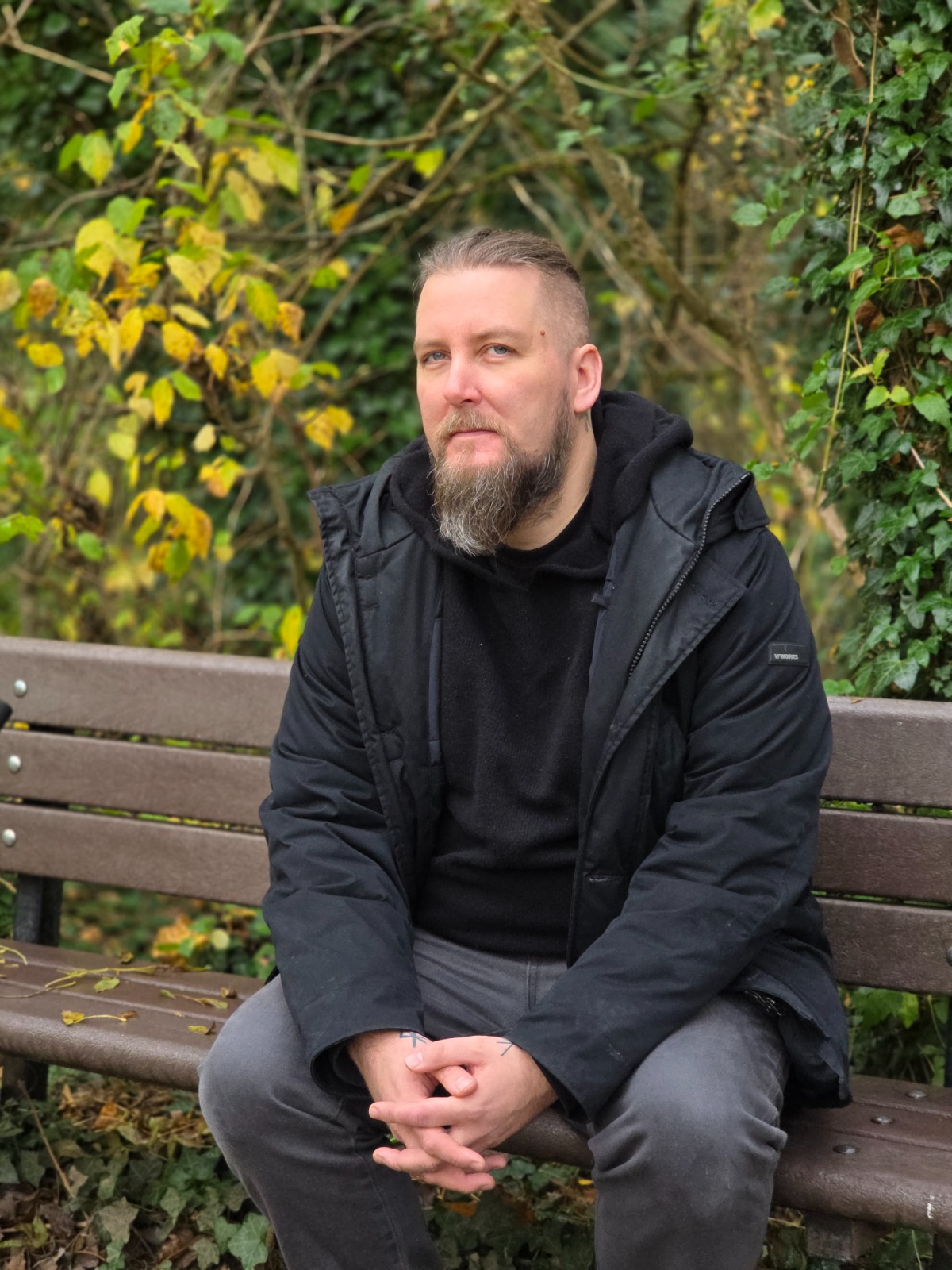
M J Wattam is a British writer and mythic storyteller from Hampshire, England. He did not come to Norse mythology as a scholar approaching a subject. He came as someone who felt these stories before he had the language to explain why, drawn to the weight of them, the honesty of them, the refusal to pretend the world was fair.
His writing is cinematic in construction and character-driven in focus. He is less interested in the gods as cosmic forces than in the experience of being those gods. What does it feel like to be Tyr, standing at the edge of a betrayal you cannot avoid? What does it mean to be Sigyn, choosing to stay when leaving would be easier and no one would blame you?
These questions drive every page of Ragnarök: Twilight of the Gods and reflect a writer whose storytelling vision is grounded in a single demanding belief. That fantasy is only as powerful as the human truth at its centre. Wattam finds that truth in the oldest stories available and brings it back whole.
Mike wattam Picture

Who This Book Is For

This book is for readers who want to be genuinely moved, not merely entertained. Who have grown tired of fantasy that mistakes scale for depth and darkness for complexity. Who want characters that stay with them after the last page, worlds that feel inhabited rather than constructed, and endings that earn their emotion rather than assuming it.
It is for adult readers specifically. Not because of content, but because of orientation. This deep narrative fantasy story collection is written for people who have known real loss, made real compromises, and understand that the most honest stories do not promise fair outcomes.
It is for mythology enthusiasts and fantasy veterans alike. For readers arriving at Norse myth for the first time and those who know the Eddas well. For anyone who has ever felt that some stories were waiting specifically for them.
This is one of those stories.

Why Choose This Book

There is no shortage of fantasy fiction. What is genuinely rare is an immersive adult fantasy fiction novel that earns every page of its emotional weight, that builds its world through precision rather than scale, and that uses the oldest mythological framework in the Western tradition to tell stories that feel urgently, uncomfortably current.
Ragnarök: Twilight of the Gods does all of that. The narrative voice is singular. The characters are unforgettable not because they are likeable but because they are real. The world building surrounds you before you notice it happening.
This is fantasy fiction that respects its readers completely. That asks something of them. And that gives back far more than it takes.

Buy Now on Amazon

Some Books Ask Nothing of You. This One Asks Everything Worth Asking.
Ragnarök: Twilight of the Gods is available now on Amazon.
It will not tell you what to think. It will not resolve its questions into comfortable answers. What it will do is walk you through one of the oldest stories ever told and leave you, at the end, with a sharper understanding of the things that matter and a quieter relationship with the things that do not.
Pick it up. The questions are already waiting.

Frequently Asked Questions

1. Is this a philosophical fiction storytelling novel or a straight fantasy read?
It is genuinely both, and the two are inseparable throughout. The philosophy is not layered on top of the story. It is inside the characters and their choices, working through consequence rather than argument. Readers who come for the fantasy will find the philosophy waiting for them. Readers who come for the ideas will find them fully embodied in one of the most compelling mythological narratives in contemporary fiction.
It requires nothing. The story works entirely on its surface level for readers who want straightforward narrative. But the symbolic layer is there for those who look, patient and consistent, never announced and never hidden. The book rewards rereading for exactly this reason.
Ragnarök: Twilight of the Gods is a complete standalone work. Its eleven chapters form a single arc from the first binding of Fenrir to the rebirth of the world after Surtr's fire. It functions as both a unified novel and the opening of a symbolic fantasy narrative book series, establishing a world and a voice that has much more to say.
With fidelity and originality in equal measure. The key events of the Norse mythological tradition are present and treated faithfully. What Wattam adds is interior life. The thoughts, doubts, guilt, and grief of characters the old texts recorded as actions rather than people. Nothing is invented against the grain of the source material. Everything is deepened within it.
Ragnarök: Twilight of the Gods by M J Wattam is available on Amazon now.